Pixel Perfect Reality: Why Hyper-Realism is the Ultimate Conversion Tool.
Pixel Perfect Reality: Why Hyper-Realism is the Ultimate Conversion Tool.
Development
Spatial Engineering
—

1. Imagination Doesn't Close Deals
Selling multi-million dollar spaces with flat, lifeless 3D models is a losing game.
People don't buy what they can't feel. If your architectural renders look like a video game from 2010, buyer hesitation spikes.
That’s why top-tier developers are abandoning traditional concept art. They are investing in spatial engineering — and it’s accelerating pre-sales.
2. The Era of Spatial Validation
You have seconds to make an investor believe a space actually exists. That’s not a guess. That’s reality.
Your architectural visualization needs to be:
Physically accurate
Lighting-verified
Material-perfect
That combo is what turns a "maybe" into a signed contract. CGI isn’t just a pretty picture anymore. It’s the ultimate proof of concept.
3. Photorealism Outperforms
Let’s talk numbers. Hyper-realistic environmental design consistently:
Accelerates off-plan (pre-construction) sales
Eliminates investor doubt and the "uncanny valley" effect
Commands premium pricing for properties
Wins attention in saturated real estate markets
Why? Because absolute realism builds instant trust. It says: "We’ve engineered this. We know exactly how the sunlight will hit this marble at 4:00 PM.”
Bad rendering, on the other hand? That’s a silent “no thanks” before the client even sees the floor plan.
4. Science is the Secret to Realism
You can have the smartest architectural layout in the world. But if you light it with basic software and flat digital textures? It fails.
True spatial engineering brings the physical laws of nature into the digital world:
PBR (Physically Based Rendering) material science
Ray-traced global illumination
Accurate real-world refraction and reflection indexes
Cinematic post-processing and color grading
This is where FURY becomes your secret weapon — engineering virtual spaces that are strictly indistinguishable from photographs.
Final Word: Stop Showing Concepts. Start Showing Reality.
At FURY, we design for spatial validation and absolute trust.
1. Imagination Doesn't Close Deals
Selling multi-million dollar spaces with flat, lifeless 3D models is a losing game.
People don't buy what they can't feel. If your architectural renders look like a video game from 2010, buyer hesitation spikes.
That’s why top-tier developers are abandoning traditional concept art. They are investing in spatial engineering — and it’s accelerating pre-sales.
2. The Era of Spatial Validation
You have seconds to make an investor believe a space actually exists. That’s not a guess. That’s reality.
Your architectural visualization needs to be:
Physically accurate
Lighting-verified
Material-perfect
That combo is what turns a "maybe" into a signed contract. CGI isn’t just a pretty picture anymore. It’s the ultimate proof of concept.
3. Photorealism Outperforms
Let’s talk numbers. Hyper-realistic environmental design consistently:
Accelerates off-plan (pre-construction) sales
Eliminates investor doubt and the "uncanny valley" effect
Commands premium pricing for properties
Wins attention in saturated real estate markets
Why? Because absolute realism builds instant trust. It says: "We’ve engineered this. We know exactly how the sunlight will hit this marble at 4:00 PM.”
Bad rendering, on the other hand? That’s a silent “no thanks” before the client even sees the floor plan.
4. Science is the Secret to Realism
You can have the smartest architectural layout in the world. But if you light it with basic software and flat digital textures? It fails.
True spatial engineering brings the physical laws of nature into the digital world:
PBR (Physically Based Rendering) material science
Ray-traced global illumination
Accurate real-world refraction and reflection indexes
Cinematic post-processing and color grading
This is where FURY becomes your secret weapon — engineering virtual spaces that are strictly indistinguishable from photographs.
Final Word: Stop Showing Concepts. Start Showing Reality.
At FURY, we design for spatial validation and absolute trust.
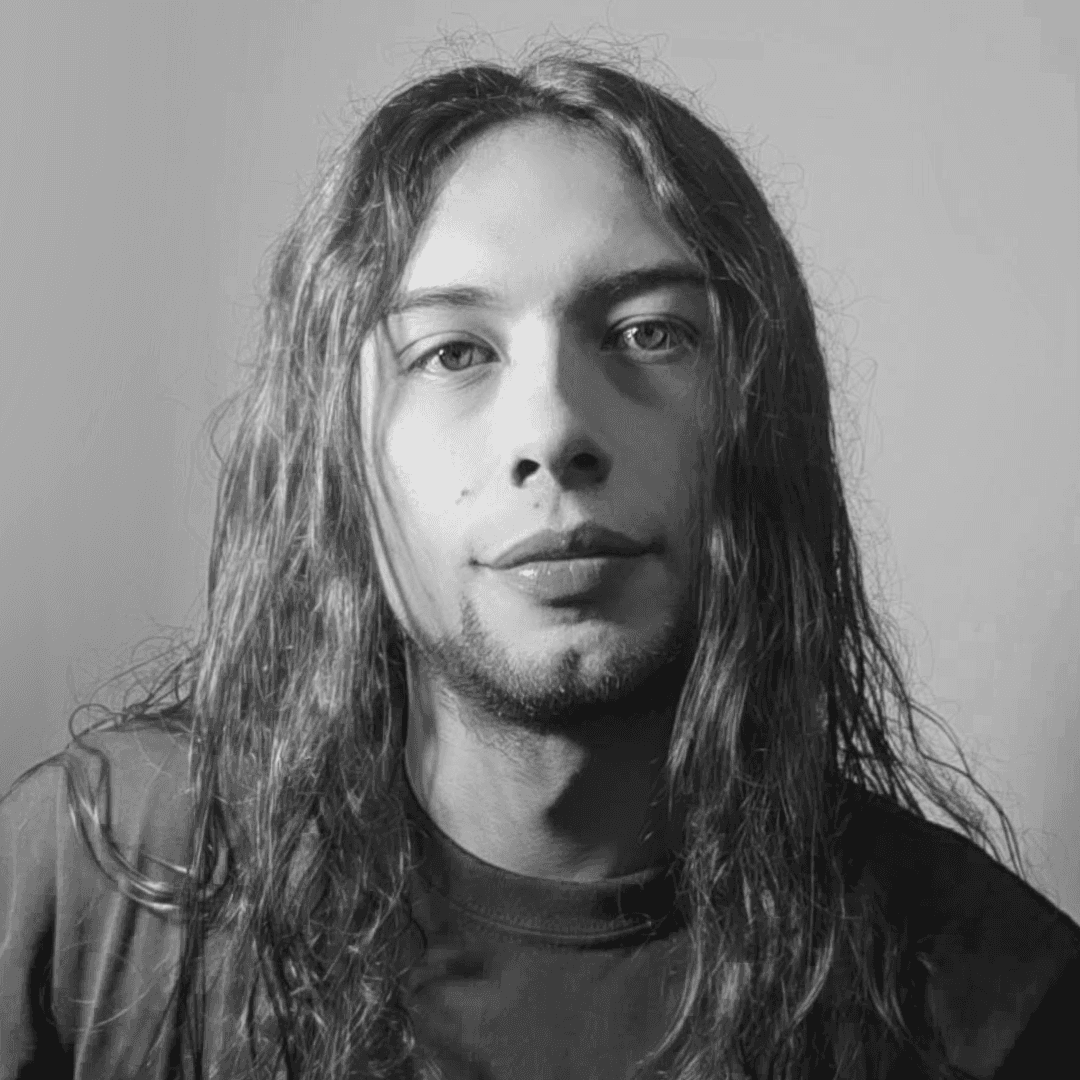
Andrés Velandia
Author