The Prompt Illusion: Why Generative AI Still Needs an Art Director.
The Prompt Illusion: Why Generative AI Still Needs an Art Director.
Development
Synthetic Media
—
1. The Magic Trick Has Worn Off
It’s 2024. Generating an image with AI isn't special anymore.
Anyone with a keyboard can conjure a decent picture in seconds. But for enterprise brands, "decent" is a massive liability.
That’s why leading brands aren’t just typing prompts and hoping for the best. They’re investing in algorithmic architecture — and it changes the entire output.
2. The Slot Machine Effect
You have strict brand guidelines to follow. But uncurated, amateur AI generation ignores them. It gives you:
Inconsistent brand colors
Broken lighting physics
The dreaded "uncanny valley" look
Assets you can't actually use in a commercial campaign
Design isn't a gamble. It's a science. Typing words into a generator isn't a strategy.
3. Prompts Are Not Pipelines
Let’s talk process. To get commercial-grade results, you don't need a "prompt engineer." You need an Art Director.
At FURY, we don't just type. We engineer visual parameters. Before the algorithm even starts thinking, we lock in:
Specific camera lenses and focal lengths
Physically accurate material roughness
Global illumination and light bounce
Strict compositional grids
Why? Because control builds consistency. It tells the algorithm: "We are building a brand asset, not a random painting."
4. Human-Led Curation is the Ultimate Filter
You can have the most advanced neural network in the world. But if it lands on the desk of someone without a trained artistic eye? It fails.
Synthetic media requires ruthless human curation:
Generating hundreds of stylistic permutations
Filtering out AI hallucinations
Isolating the top 1% that meets commercial standards
Upscaling and color-grading for broadcast-ready fidelity
This is where FURY becomes the secret weapon — letting us bypass traditional pre-production bottlenecks to launch hyper-realistic campaigns in record time.
Final Word: Stop Playing with AI. Start Deploying It.
At FURY, we design for flawless execution and brand connection.
1. The Magic Trick Has Worn Off
It’s 2024. Generating an image with AI isn't special anymore.
Anyone with a keyboard can conjure a decent picture in seconds. But for enterprise brands, "decent" is a massive liability.
That’s why leading brands aren’t just typing prompts and hoping for the best. They’re investing in algorithmic architecture — and it changes the entire output.
2. The Slot Machine Effect
You have strict brand guidelines to follow. But uncurated, amateur AI generation ignores them. It gives you:
Inconsistent brand colors
Broken lighting physics
The dreaded "uncanny valley" look
Assets you can't actually use in a commercial campaign
Design isn't a gamble. It's a science. Typing words into a generator isn't a strategy.
3. Prompts Are Not Pipelines
Let’s talk process. To get commercial-grade results, you don't need a "prompt engineer." You need an Art Director.
At FURY, we don't just type. We engineer visual parameters. Before the algorithm even starts thinking, we lock in:
Specific camera lenses and focal lengths
Physically accurate material roughness
Global illumination and light bounce
Strict compositional grids
Why? Because control builds consistency. It tells the algorithm: "We are building a brand asset, not a random painting."
4. Human-Led Curation is the Ultimate Filter
You can have the most advanced neural network in the world. But if it lands on the desk of someone without a trained artistic eye? It fails.
Synthetic media requires ruthless human curation:
Generating hundreds of stylistic permutations
Filtering out AI hallucinations
Isolating the top 1% that meets commercial standards
Upscaling and color-grading for broadcast-ready fidelity
This is where FURY becomes the secret weapon — letting us bypass traditional pre-production bottlenecks to launch hyper-realistic campaigns in record time.
Final Word: Stop Playing with AI. Start Deploying It.
At FURY, we design for flawless execution and brand connection.
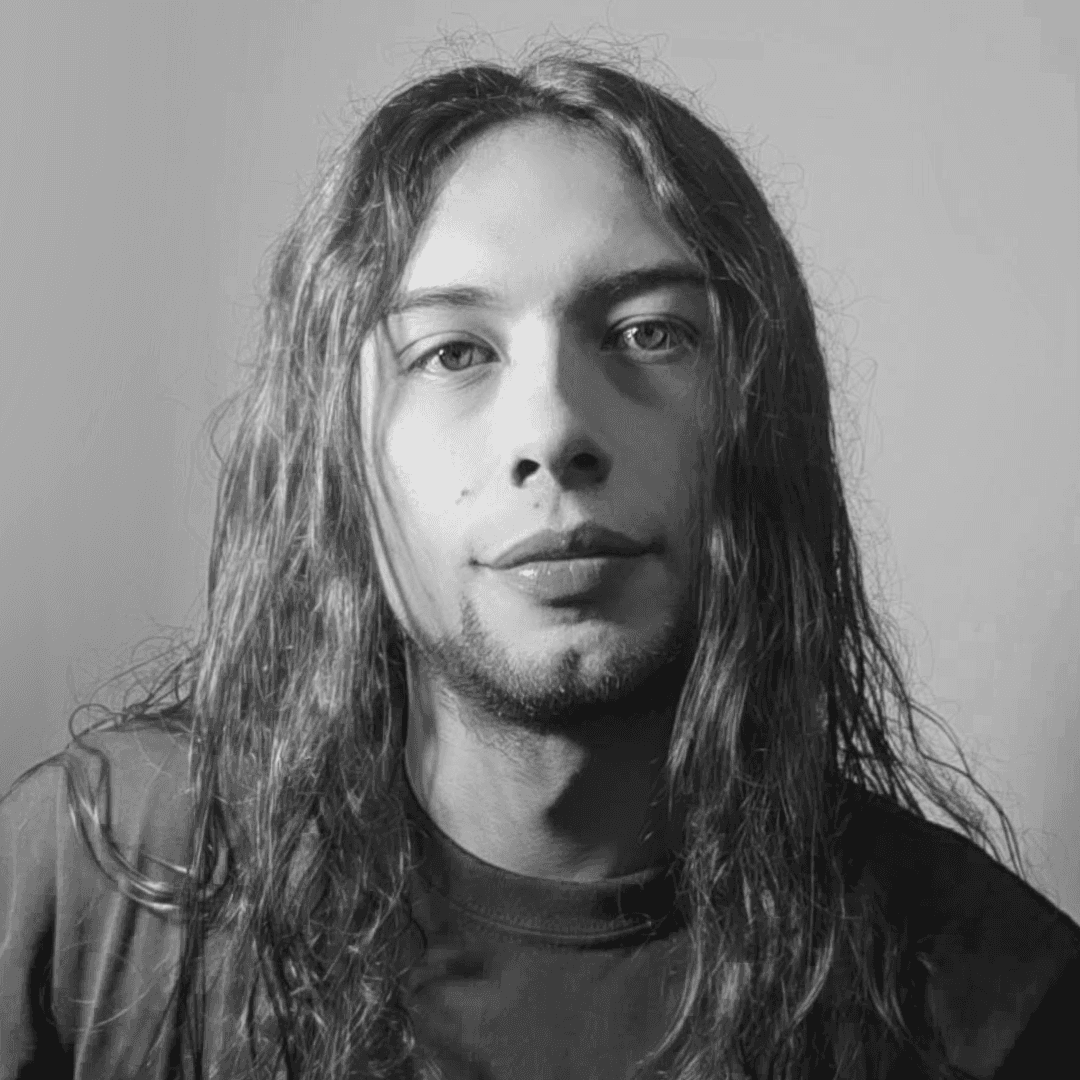
Andrés Velandia
Author